
Last updated September 21, 2026
Full 25-point door and opener safety check with every visit - springs, cables, rollers, tracks, and your LiftMaster or Chamberlain opener included
You get a price before we start. It does not change when the truck arrives.
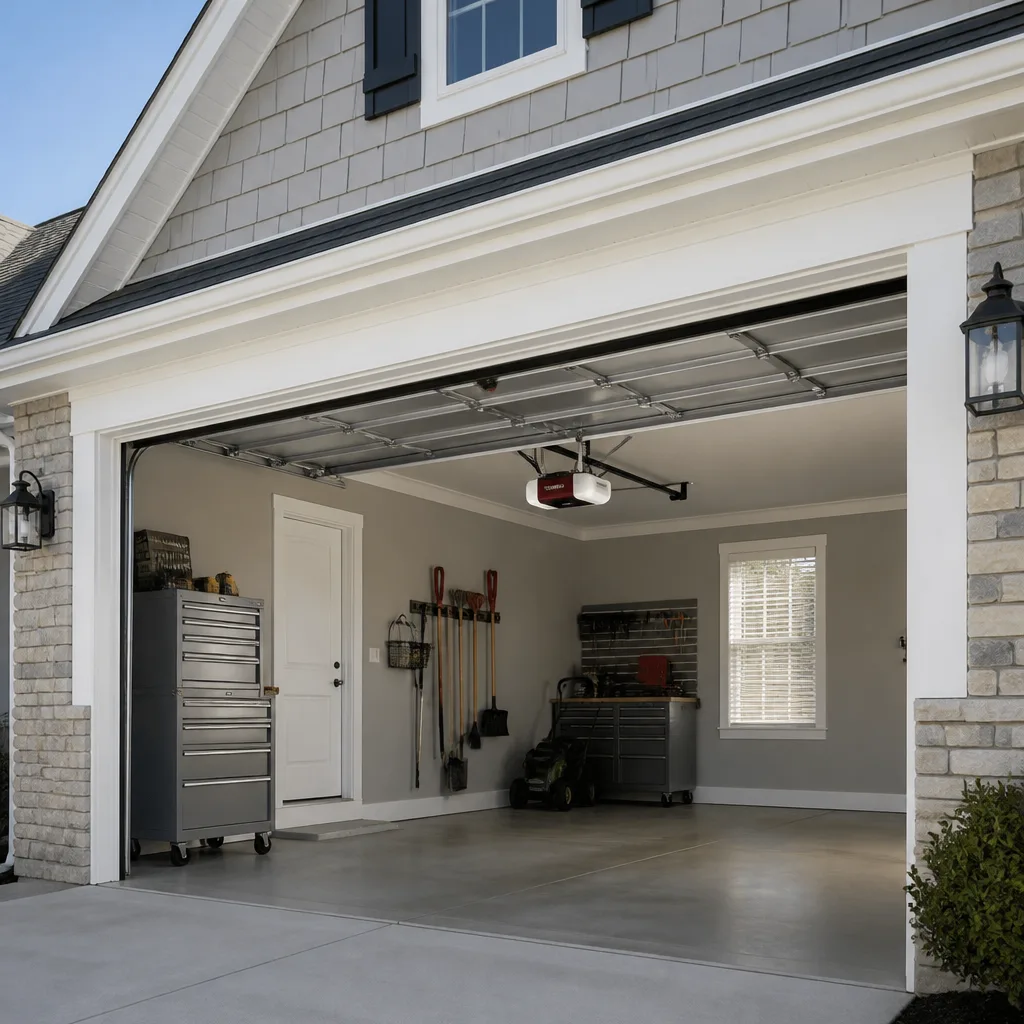
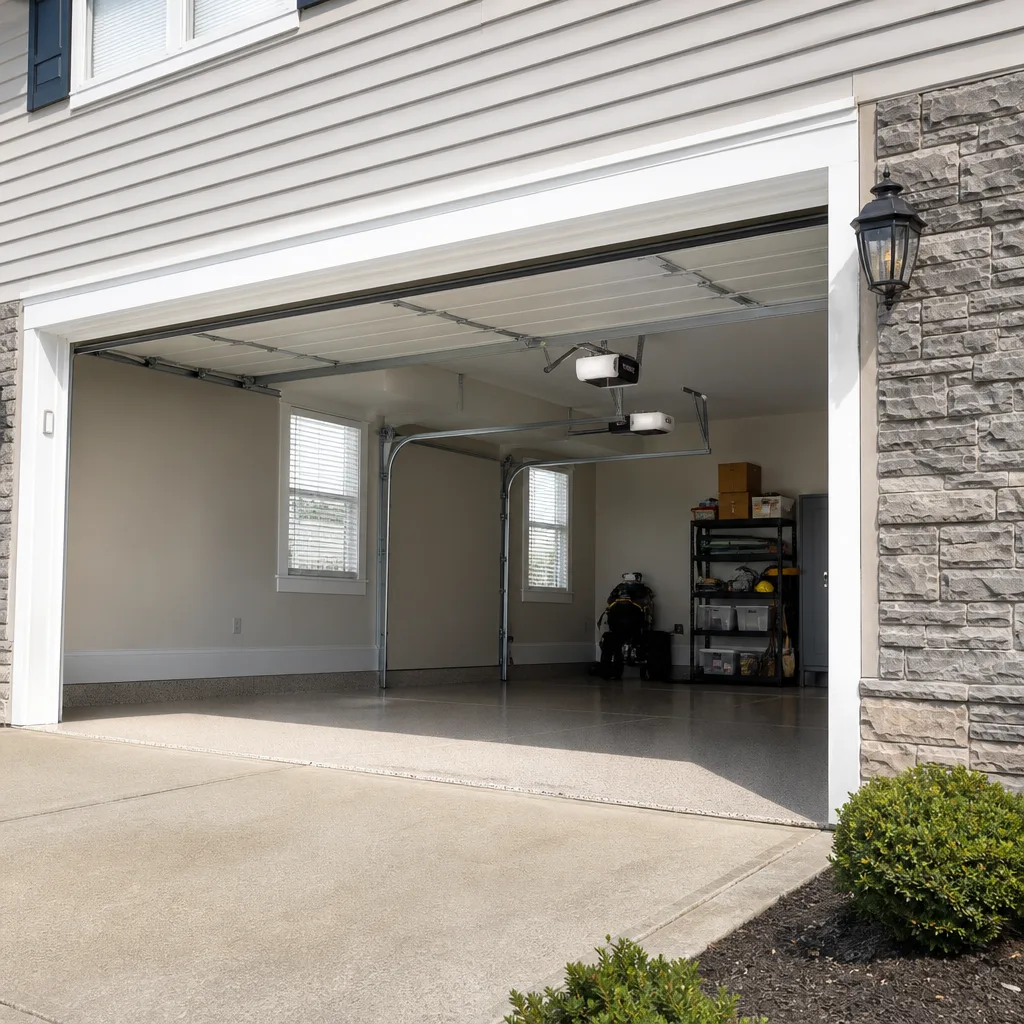
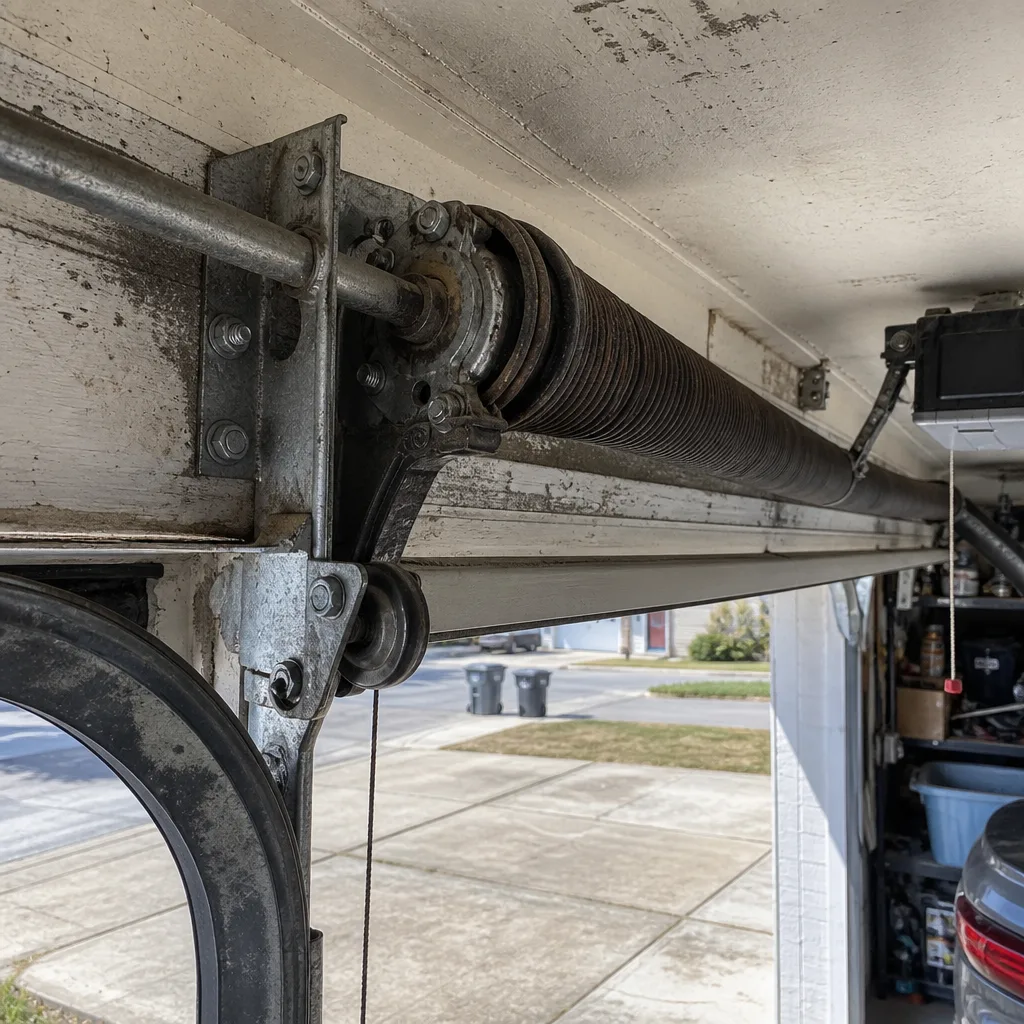 Before
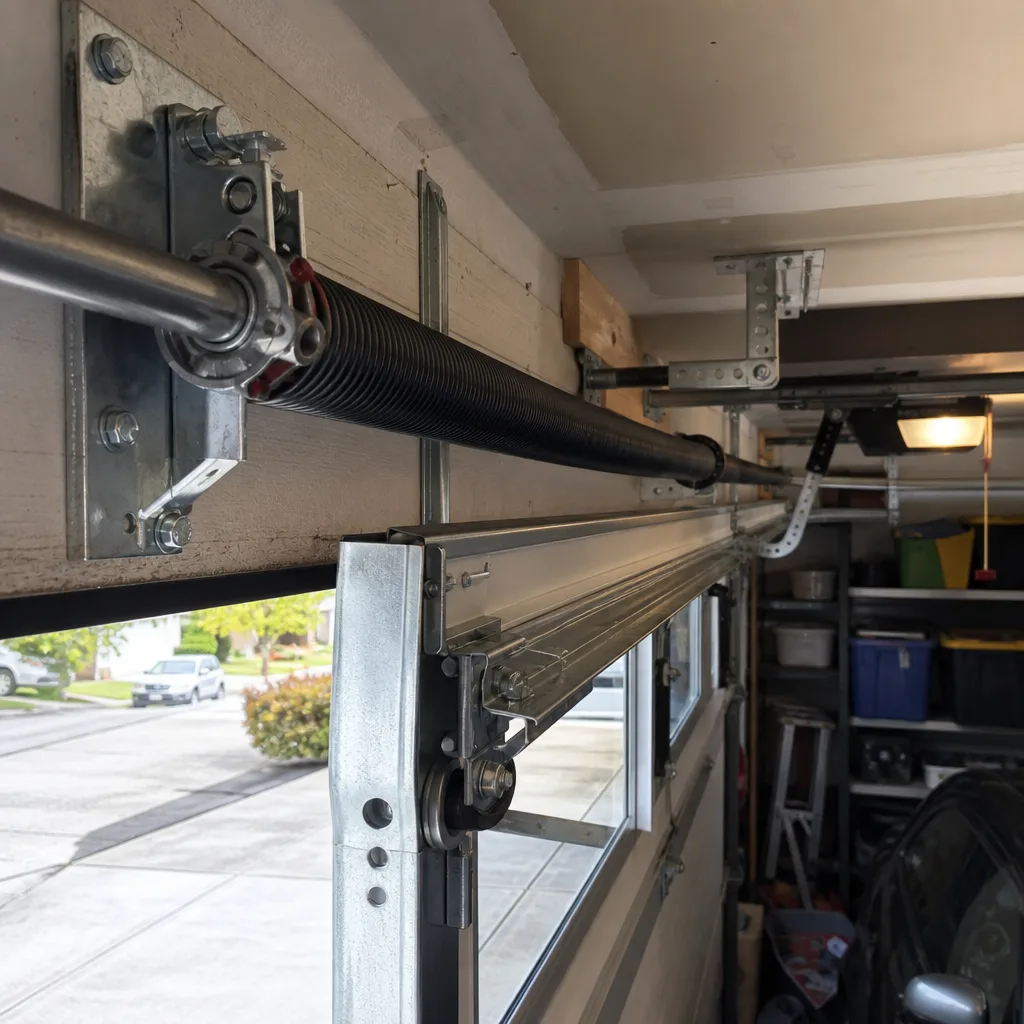 After
After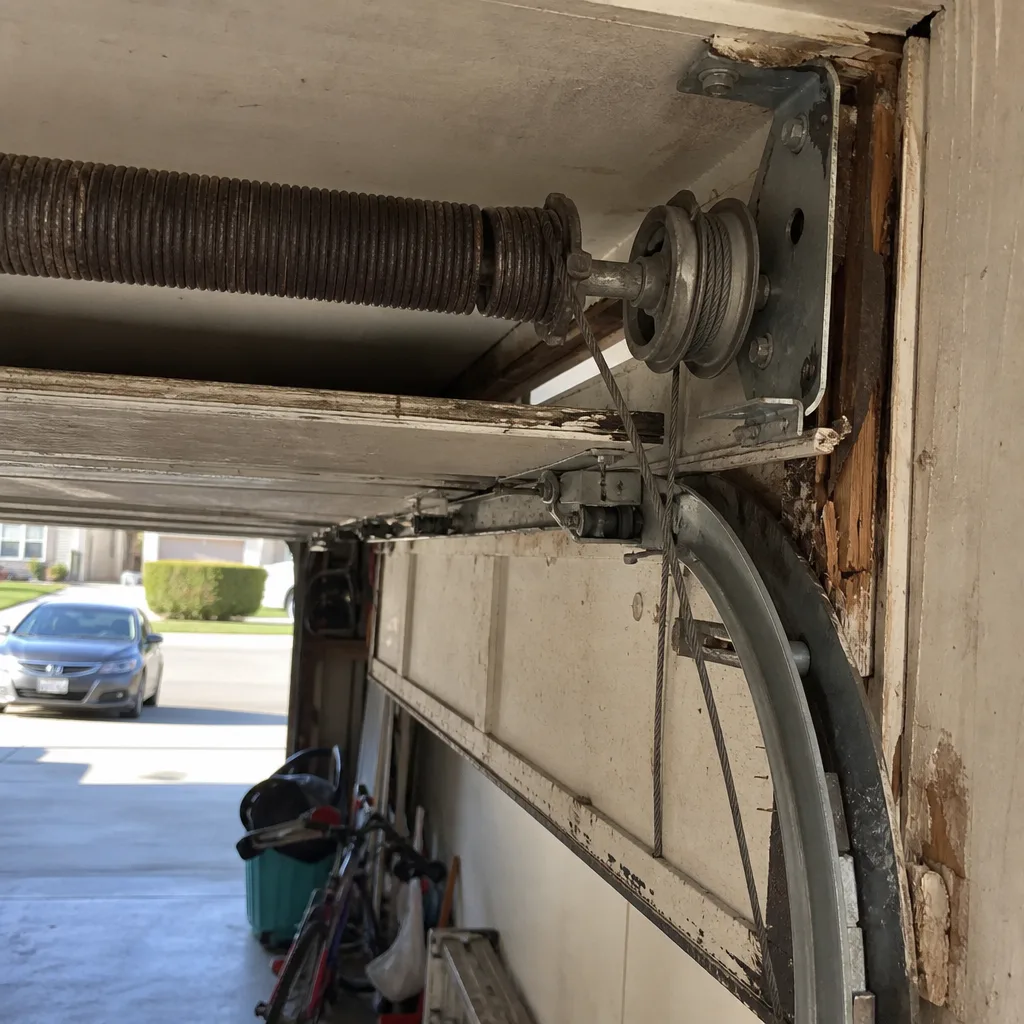 Before
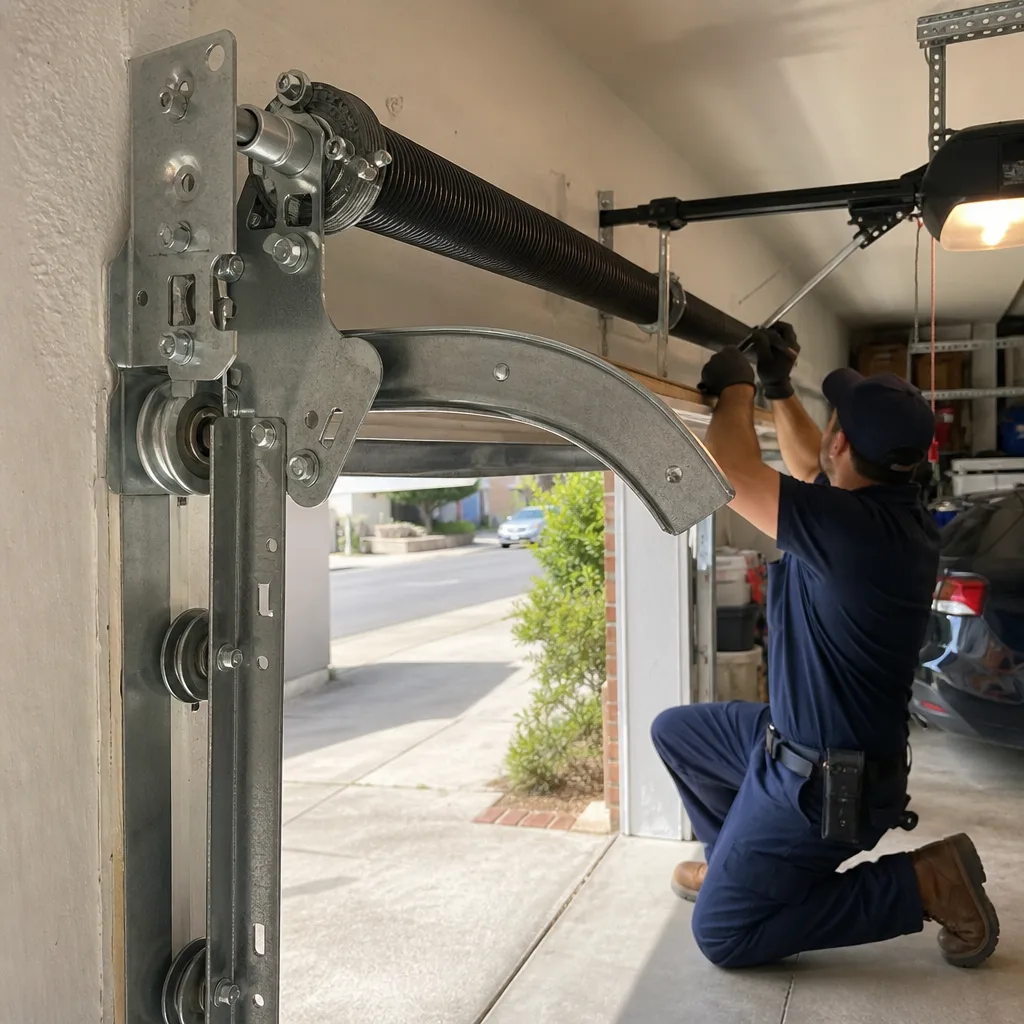 After
After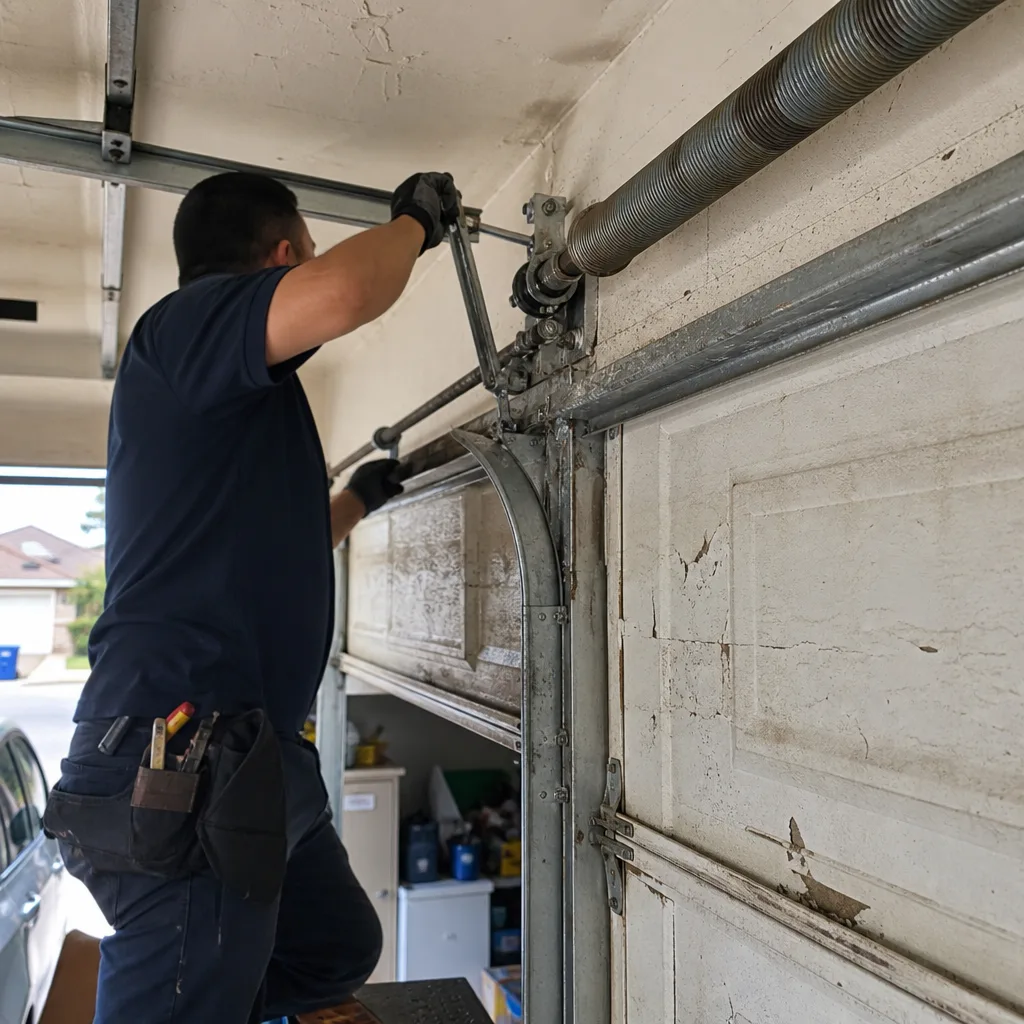 Before
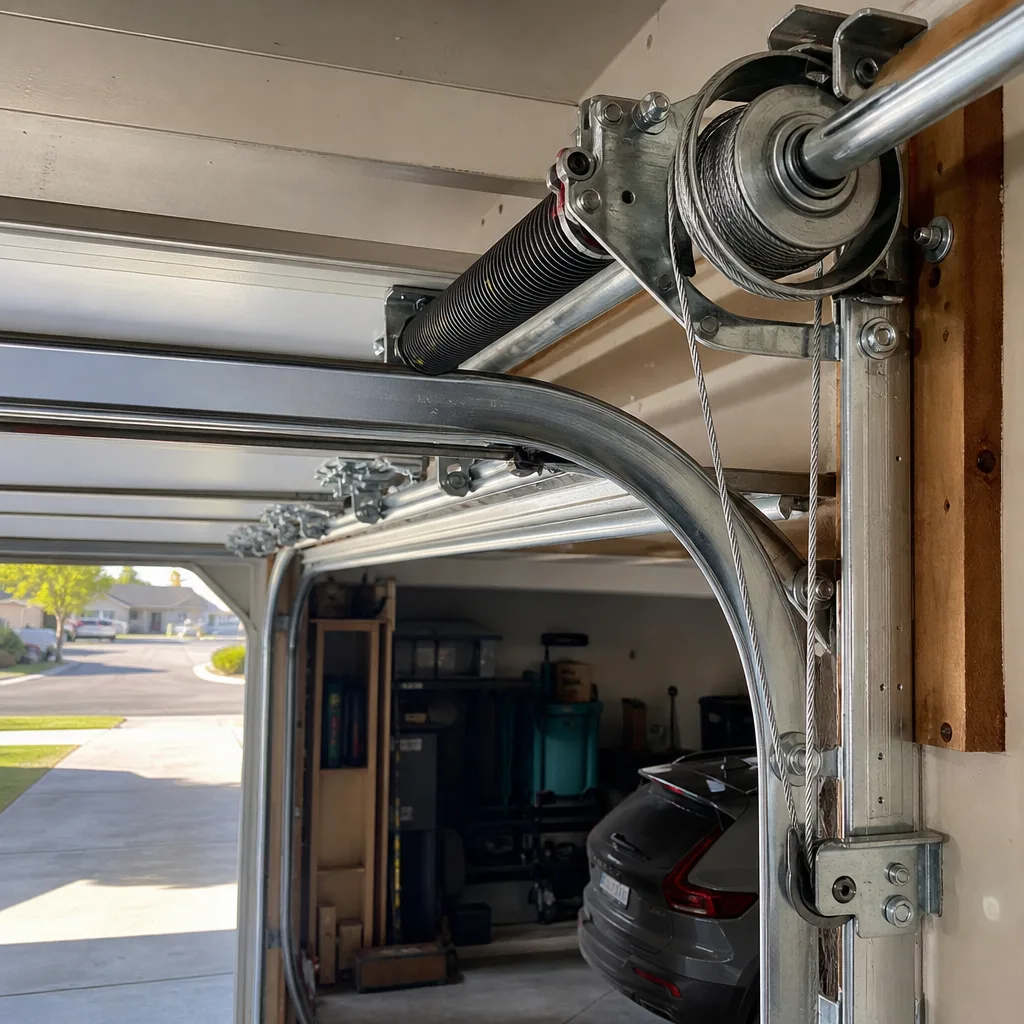 After
AfterGarage Door Permits, Codes & Inspections in CA: What You Need to Know
A Hayward homeowner replaced a dented garage door panel after backing into it, paid cash to a crew that finished in three hours, and thought nothing of it. Six months later, a water heater leak in the adjacent laundry room caused structural damage. The insurer denied the claim, citing unpermitted modification to the garage’s fire-rated envelope. The permit wasn’t required for the panel swap itself. But the contractor had also relocated the door’s header bracket, altering the structural attachment, and that change was never inspected. In California, the gap between what feels like a simple repair and what actually triggers a permit is narrow enough to miss and wide enough to matter. This guide walks through exactly where that line sits, what Hayward’s local amendments add, and how to protect yourself before any work starts. For more guides & resources, see our blog.
Quick Answer
Most garage door repairs in California, including spring replacements, panel swaps, and opener repairs, do not require a permit. A permit is required when the work involves structural modification to the opening, changes to fire-rated assemblies between an attached garage and living space, or new construction. In Hayward, the city building department follows the California Building Code with local amendments that affect door width on new additions and fire-rating requirements for attached garages. Review our Garage Door Repair Maintenance Checklist for Hayward Homeowners for a complete pre-project checklist.
Table of Contents
- When Are Permits Required for Garage Door Work in California?
- California Building Code Section 1008: The Structural Attachment Threshold
- Hayward Local Amendments: What Changes in Alameda County
- What Inspectors Actually Check During a Garage Door Inspection
- Unpermitted Work, Insurance Claims, and Title Transfers in Alameda County
- What to Ask Your Contractor in Writing Before Work Begins
- Garage Door Opener Code Requirements in California
- How to Pull a Garage Door Permit in Hayward: Step by Step
 Before
 After
AfterWhen Are Permits Required for Garage Door Work in California?
The California Building Code draws a clear line, though it’s not always where homeowners expect. Routine maintenance and component replacement fall outside permit requirements. The trigger is structural change or alteration to regulated assemblies.
Work that typically does NOT require a permit:
- Torsion or extension spring replacement
- Sectional panel replacement (same size, same location)
- Opener repair or replacement on existing mounting
- Track adjustment or roller replacement
- Weatherstripping, cable replacement, or safety sensor alignment
Work that DOES require a permit:
- Installing a new door in a newly constructed opening
- Widening or narrowing an existing opening
- Modifying, relocating, or replacing the header or its attachment to framing
- Altering a fire-rated door or wall assembly between an attached garage and living space
- Converting a window or pedestrian door into a garage door opening
- Any work affecting the lateral load path or seismic bracing in garage construction
We’ve seen confusion in Hayward’s older neighborhoods, particularly in the Jackson Triangle and Burbank areas, where 1950s-era garages have been modified multiple times. A homeowner replaces what looks like a standard panel door, only to discover the original opening was enlarged decades ago without documentation. The current replacement doesn’t trigger a permit on its own, but if the inspector later notes the opening exceeds permitted dimensions for the foundation footprint, the undocumented history becomes the homeowner’s problem at sale.
The key question isn’t “am I replacing a door?” It’s “am I changing the structure that holds the door?”
California Building Code Section 1008: The Structural Attachment Threshold
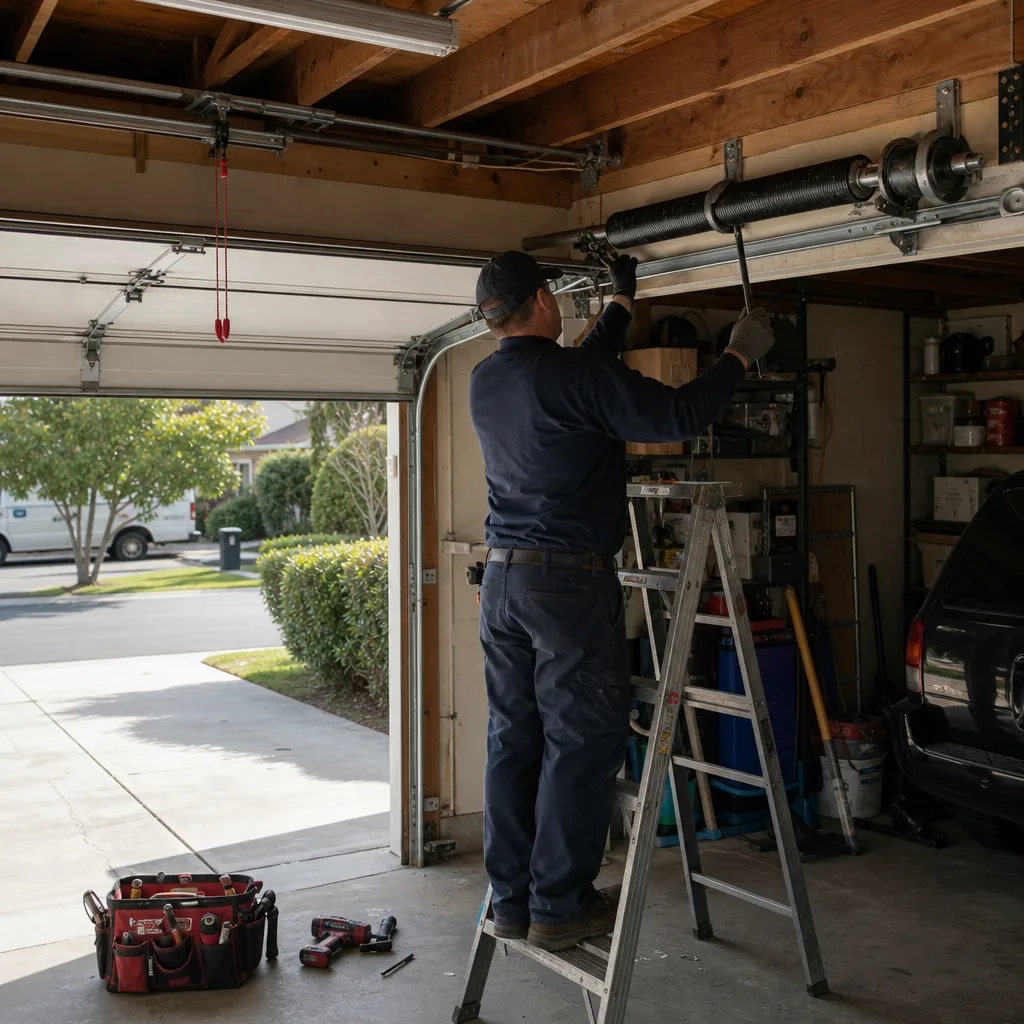
CBC Section 1008 governs means of egress, but the relevant language for garage doors appears in Chapter 10 and the structural provisions of Chapter 16. The specific trigger for permitting is alteration of the “structural attachment” - the points where the door’s track system, jamb brackets, and header assembly connect to the building’s framing.
Here’s how to read the threshold in practice:
- Same opening, same hardware locations: No permit. The door hangs on existing brackets bolted to existing framing. The building’s structure is unchanged.
- Same opening, new bracket locations: Gray area. If the new door’s track geometry requires moving jamb brackets by more than a few inches, or if the header bracket must shift to accommodate a heavier door, you’ve crossed into structural modification. In Hayward, the building department generally interprets any header bracket relocation as requiring permit and inspection.
- Different opening dimensions: Permit required. This includes widening for a larger vehicle, narrowing to accommodate storage, or any change to the rough opening dimensions.
- New construction: Permit required. The garage door opening is part of the building envelope and must be inspected as part of the framing, insulation, and final occupancy sequence.
The weight of the door matters too. A standard 16×7 steel sectional door weighs roughly 150 pounds. Upgrading to a solid wood or insulated composite door of 250+ pounds may require reinforcement of the header or spring system. If that reinforcement involves new lumber, engineered lumber, or steel posts, it’s structural work and needs a permit.
We’ve documented this scenario repeatedly in our Garage Door Installation in Hayward work. The Haven Standard’s Clause 4 requires our technicians to photograph existing attachment points before quoting any replacement. If the photos show a header that’s cracked, inadequately supported, or previously modified, we flag it in writing. The customer sees the evidence before deciding whether to proceed with a simple replacement or pull a permit for structural repair.
Hayward Local Amendments: What Changes in Alameda County
Hayward operates under the California Building Code 2022 edition with local amendments codified in Title 10 of the Hayward Municipal Code. For garage door work, three amendments matter more than the state baseline.
Fire-rating requirements for attached garages
Hayward enforces CBC Section 706.3 with a local interpretation that requires a 20-minute fire-rated door or assembly between any attached garage and living space. This applies to the pedestrian door, not the overhead garage door itself, but the distinction trips people up. We’ve seen contractors install a standard hollow-core interior door between a Hayward garage and kitchen, only to fail final inspection. The correction requires a listed 20-minute door, self-closing hinges, and proper weatherstripping - a $400-$800 fix that should have been specified upfront.
Where garage door work intersects this requirement: if you’re replacing a garage door on an attached garage and the new door’s track system impinges on the fire-rated wall assembly, or if the opener’s header bracket must be mounted through the fire-rated drywall, the repair compromises the assembly. A permit ensures the fire rating is restored with proper materials and inspection.
Door width on new additions and ADUs
Hayward’s ADU ordinance, updated in 2023, requires garage conversions and new detached garages to maintain minimum door widths for emergency vehicle access. A single-car garage must have a 9-foot-wide minimum opening; two-car, 16 feet. This affects homeowners in the South Hayward and Fairway Park areas where lot sizes often push designers toward narrower doors. The planning department checks this at permit, not the building department, but the building inspector verifies the installed width matches the approved plans.
Opener horsepower and safety device specifications
Hayward requires all new garage door openers to be UL 325 listed and installed with photoelectric sensors (not just mechanical edge sensors) on all residential applications. This exceeds the state minimum for older homes and aligns with Hayward’s emphasis on child safety, given the city’s younger-than-average household demographics. A LiftMaster or Chamberlain opener installed without photoelectric eyes will fail inspection, even if the model is otherwise code-compliant.
What Inspectors Actually Check During a Garage Door Inspection
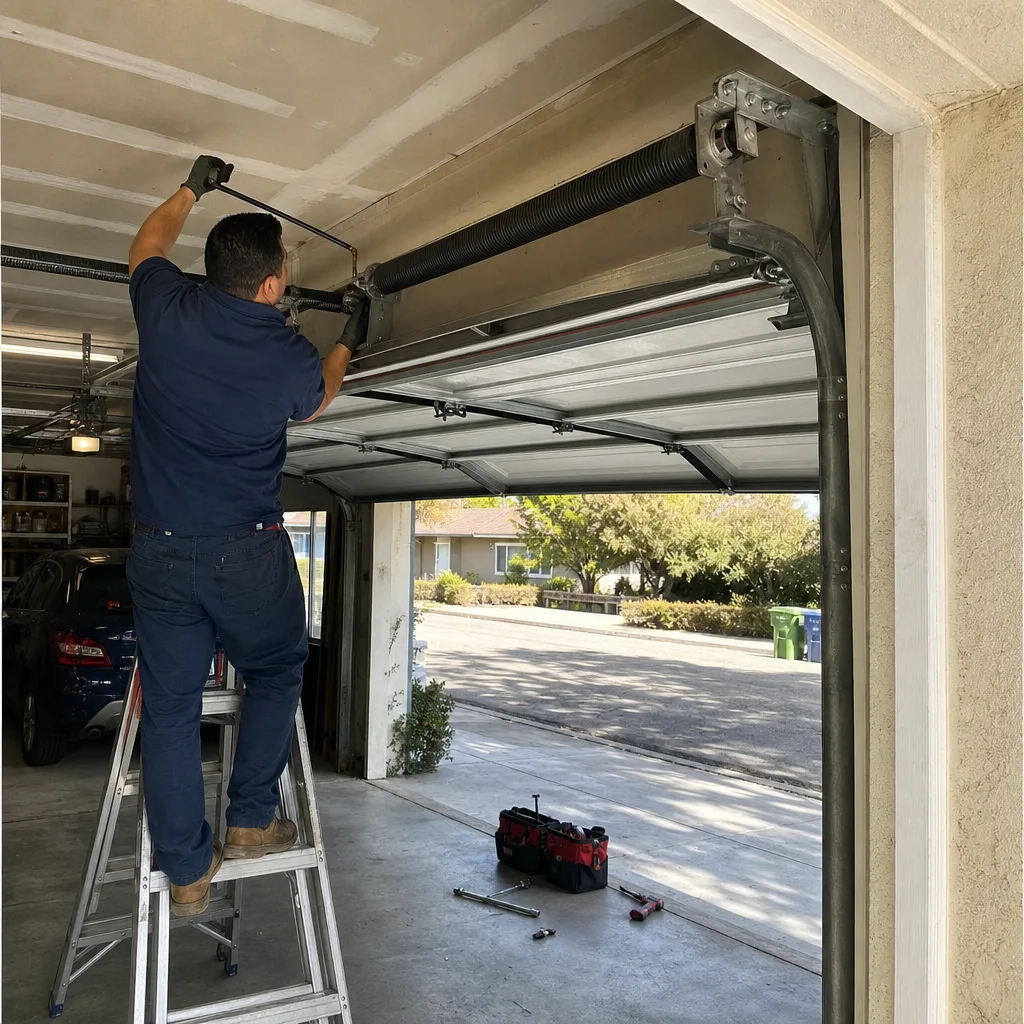
When a permit is required, Hayward’s building inspector visits twice for new construction: rough framing and final. For replacement of an existing door in an existing opening, typically one final inspection suffices. Here’s what the inspector verifies, based on the city’s published inspection checklist and our experience with permitted installations across Alameda County.
Header clearance and bearing
The inspector measures the header height above the finished floor - minimum 7 feet for standard residential, 8 feet if specified in plans. They check that the header spans the full opening width with adequate bearing on each jack stud (minimum 1.5 inches per end for standard loads, more for heavy doors or wide openings). In Hayward’s hillside areas, particularly around the Cal State East Bay foothills, inspectors also verify that the header is tied into the shear wall or seismic bracing system. A garage door header that’s not properly connected to the lateral system is a common correction item.
Bracket mounting and fastener schedule
Every bracket must be fastened with lag screws or through-bolts to solid framing, not to trim, siding, or sheathing alone. The inspector will tug-test the track brackets. Spring anchor brackets must be through-bolted or lagged into the header with minimum 3/8-inch diameter fasteners. We’ve seen installations where a contractor used drywall screws into the header - an automatic fail, and a safety hazard given the stored energy in a wound torsion spring.
UL-listed opener with functioning safety devices
The inspector verifies the opener model against its UL listing, checks that photoelectric sensors are mounted 6 inches or less above the floor, and tests the auto-reverse function with a 2×4 laid flat. Force settings must be adjusted per manufacturer specifications. A Genie or Raynor opener installed without the provided safety entrapment devices, or with devices defeated or misaligned, fails immediately.
Fire-rated assembly integrity (attached garages only)
If the garage shares a wall with living space, the inspector examines the wall for penetrations, proper taping of drywall seams, and listed fire-rated doors where required. The garage door itself is not fire-rated, but its installation must not compromise the rated assembly.
Unpermitted Work, Insurance Claims, and Title Transfers in Alameda County
This is where the permit question becomes expensive. California law does not automatically void homeowner’s insurance for unpermitted work. But insurers increasingly use unpermitted structural modifications as grounds to dispute claims, particularly when the modification could have contributed to the loss.
The Hayward case we opened with is not isolated. In Alameda County’s competitive real estate market, insurers and title companies scrutinize permit history more closely than in slower markets. Learn to spot problems early with our Garage Door Warning Signs: A Hayward Homeowner’s Reference Guide. Here’s how the risk breaks down:
- Insurance claims: If unpermitted garage door work involved structural modification, and a subsequent claim involves that structure - water damage to the header, fire spread through a compromised fire-rated wall, seismic damage to improperly braced framing - the insurer may deny or reduce the claim. The burden shifts to the homeowner to prove the unpermitted work did not contribute.
- Title transfers and disclosure: California’s Transfer Disclosure Statement asks whether the seller is aware of any room additions or structural modifications without permits. A garage door opening enlargement qualifies. Failure to disclose known unpermitted work exposes the seller to post-sale liability. In Hayward’s hot market, we’ve seen buyers demand permit verification for any work done within five years of listing.
- Retroactive permitting: Hayward allows this, but it’s not simple. The homeowner must expose the work for inspection - remove drywall, expose framing, demonstrate compliance with current code. For a garage door header modification, this often costs more than the original work. The city may also require engineered drawings if the modification affects the lateral system.
- Lender requirements: Refinance and HELOC appraisers in the Bay Area increasingly flag unpermitted square footage or structural changes. A garage conversion with an unpermitted door modification can reduce appraised value or trigger lender-required remediation.
The practical rule: if the work touches structure, fire-rating, or egress, the permit cost - typically $150-$400 in Hayward - is cheap insurance against a five-figure dispute later.
What to Ask Your Contractor in Writing Before Work Begins
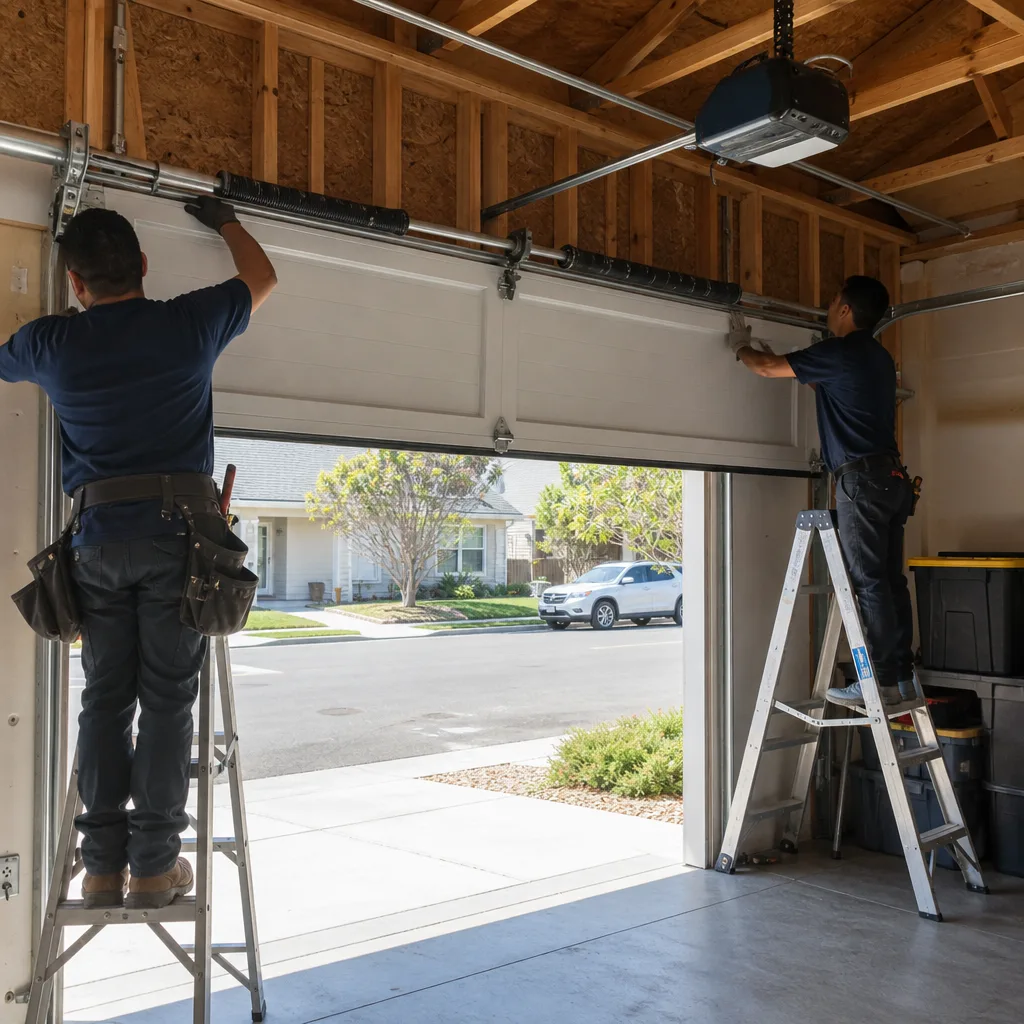
Most homeowners assume the contractor handles permits. Many contractors assume the homeowner knows permits aren’t needed. The gap between these assumptions is where liability lives. Before any garage door work begins, request written answers to these five questions. A contractor who won’t put it in writing is telling you something.
- “Will this work require a building permit, and if so, who will pull it?” The correct answer is specific: “No permit required, same opening, no structural change” or “Yes, we will pull the permit as part of our scope.” Vague answers - “we’ll check,” “usually not,” “the homeowner handles that” - are red flags.
- “Will any brackets, headers, or framing be modified, moved, or reinforced?” This is the structural attachment threshold in plain language. If the answer is yes, a permit is likely required. The contractor should explain exactly what will change and why.
- “Is this door or opener listed for California Building Code compliance, and will you provide the UL listing documentation?” For openers, this is non-negotiable. For doors, wind load ratings matter in exposed locations. Hayward’s inland location doesn’t require hurricane-rated doors, but the CBC’s basic wind speed of 85 mph still applies.
- “Will the work affect any fire-rated wall or door between the garage and living space?” This is the question that would have saved the homeowner in our opening example. If the new door’s track or opener mounting penetrates the fire-rated assembly, the repair must restore the rating with listed materials.
- “What documentation will I receive when the work is complete?” At Servo, the answer is specific per The Haven Standard: a written scope with flat price (Clause 1), a documented photo record of findings and completed work (Clause 4), and if permits were involved, copies of the approved inspection cards. A contractor who promises only a receipt is not documenting accountability.
We’ve reviewed competitor estimates for our Garage Door Repair in Hayward customers who brought paperwork through our Free Second Opinion offer. The most common omission: no mention of permit status, no structural assessment, no fire-rating consideration. The estimate lists a door model and a price. That’s not enough information for a homeowner to make a protected decision.
Garage Door Opener Code Requirements in California
Opener regulations sit at the intersection of state law, federal safety standards, and local enforcement. California’s requirements are more specific than most states, and Hayward enforces them strictly.
UL 325 listing
Every residential garage door opener must be listed under UL 325, the standard for door, drapery, gate, louver, and window operators and systems. This covers entrapment protection, force limitation, and emergency release. The listing must be current; obsolete models installed from inventory may not comply with the latest revision. We verify UL status for every LiftMaster and Chamberlain unit before quoting.
Photoelectric sensors (primary entrapment protection)
Since 1993, UL 325 has required photoelectric sensors - the invisible beam across the door opening - as the primary entrapment protection. Mechanical edge sensors are permitted only as secondary protection in specific commercial applications. Hayward inspectors reject residential installations with edge sensors only.
Force setting verification
The installer must set and verify the opener’s down-force and up-force limits per manufacturer specifications. Too little force, and the door won’t close against weatherstripping. Too much, and the auto-reverse won’t trigger before injury. We test this with a calibrated scale and document the reading in the photo record.
Wall-mounted control height
CBC requires the wall-mounted door control to be at least 5 feet above the floor, out of reach of small children. This is frequently missed in retrofits where the old control was mounted lower.
Emergency release
The red manual release handle must be visible and accessible, and the release mechanism must function without excessive force. Inspectors test this during final inspection.
For opener repair or replacement, our Garage Door Opener Repair & Installation in Hayward page details how we verify code compliance before quoting. The key point: an opener swap on existing mounting usually needs no permit, but the installation must still meet current code. A homeowner who self-installs an older unit from a big-box store may pass their own inspection but fail a future home sale inspection.
How to Pull a Garage Door Permit in Hayward: Step by Step
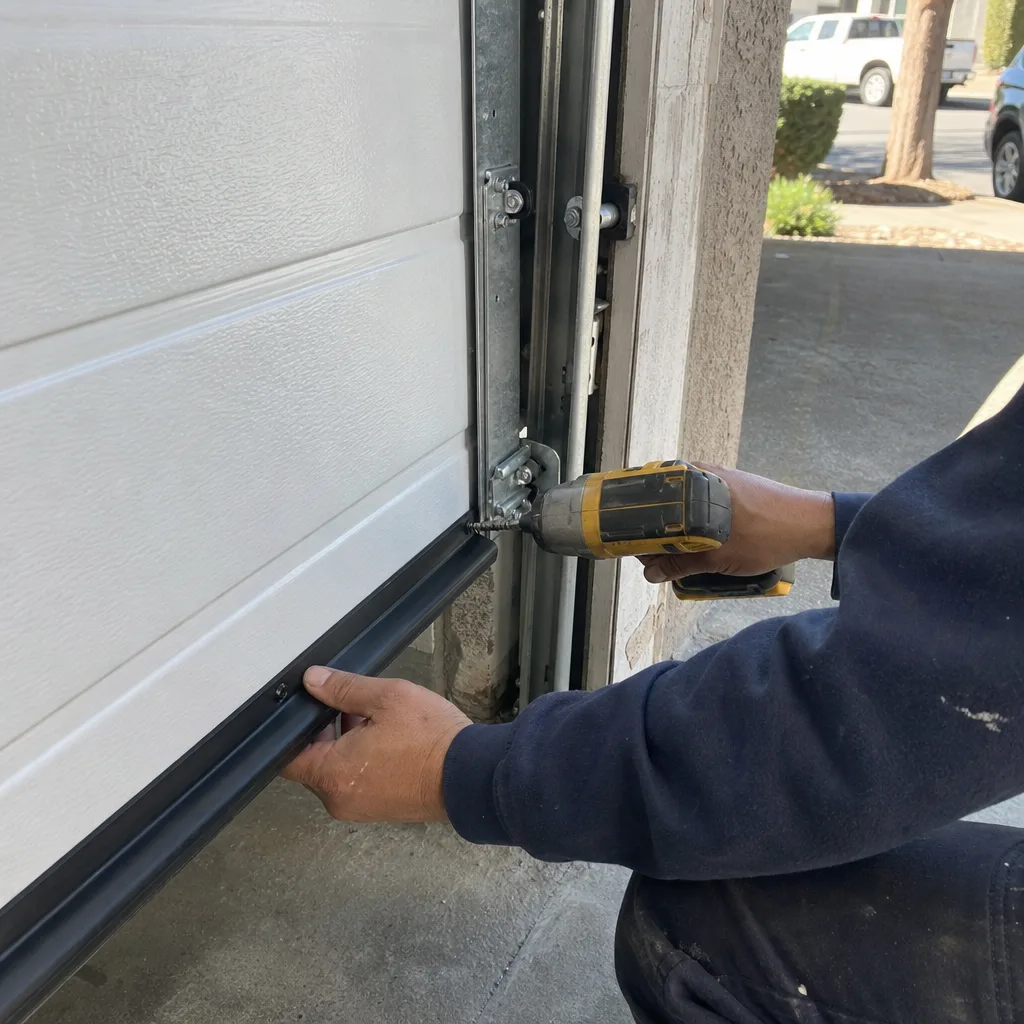
If you’ve determined a permit is required, here’s the actual process in Hayward. We’ve guided customers through this when structural work was unavoidable.
- Determine permit type. Most garage door permits are “Combination” permits covering structural and mechanical work. If only replacing an opener on existing mounting, a simpler “Mechanical” permit may suffice. Call Hayward Building Division at (510) 330-2488 to confirm.
- Prepare documentation. For simple replacements: manufacturer specifications for the door and opener, showing UL listings and wind load ratings. For structural work: site plan, floor plan, and often engineered drawings showing header sizing, connection details, and seismic bracing. A licensed contractor typically prepares these.
- Submit application. Hayward accepts online submission through the Accela Citizen Access portal or in-person at 777 B Street, 3rd Floor. Fees as of 2024: plan check deposit $200-$400 for residential, permit fee based on valuation. A $15,000 door replacement with structural work typically runs $300-$500 total.
- Plan review. Simple permits may be over-the-counter. Structural modifications require plan review, currently running 2-4 weeks in Hayward. The reviewer checks compliance with CBC and local amendments.
- Schedule inspections. For new construction: rough framing inspection before drywall, final inspection after completion. For replacement: typically one final inspection. Schedule online or by phone; inspectors are generally available within 2-3 business days.
- Pass inspection and close permit. The inspector signs the card, the permit is finaled in the system, and you receive documentation for your records and future sale.
The entire process for a straightforward permitted replacement takes 3-6 weeks, most of it waiting for plan review. The actual installation and inspection take one day. We schedule our installation to align with confirmed inspection availability, so the door isn’t open and unsecured overnight.
Common Mistakes to Avoid
- Assuming “replacement” means “no permit.” In Hayward’s Glen Eden and Santa Clara neighborhoods, we’ve seen homeowners replace a door with a heavier model that required header reinforcement - structural work that needed a permit. The contractor didn’t mention it, and the omission surfaced at sale five years later.
- Trusting verbal assurance over written scope. A contractor who says “don’t worry about permits” but won’t put that in writing is transferring all liability to you. The Haven Standard’s Clause 1 exists specifically to prevent this: every scope is written, every price is flat, every permit status is stated.
- Ignoring fire-rated assemblies in attached garages. Even a small penetration for wiring or a relocated opener header bracket can compromise a 20-minute fire rating. The fix is cheap; the discovery at inspection is expensive.
- Installing non-UL-listed openers. Online marketplaces and discount retailers sometimes sell openers certified for other countries or obsolete UL editions. Hayward inspectors check the listing; a failed inspection means removing and replacing the unit.
- Failing to document permit status for future sale. Keep approved inspection cards, contractor invoices, and manufacturer specifications with your home records. Alameda County buyers increasingly request this documentation; having it ready signals a maintained property.
- DIY structural modifications without engineering. YouTube makes header replacement look straightforward. The stored energy in a torsion spring, the seismic loads in Hayward’s Zone D, and the fire-rating restoration requirements make this a professional job with permit oversight. We document the before condition with photos specifically so the customer sees why.
When to Call a Professional
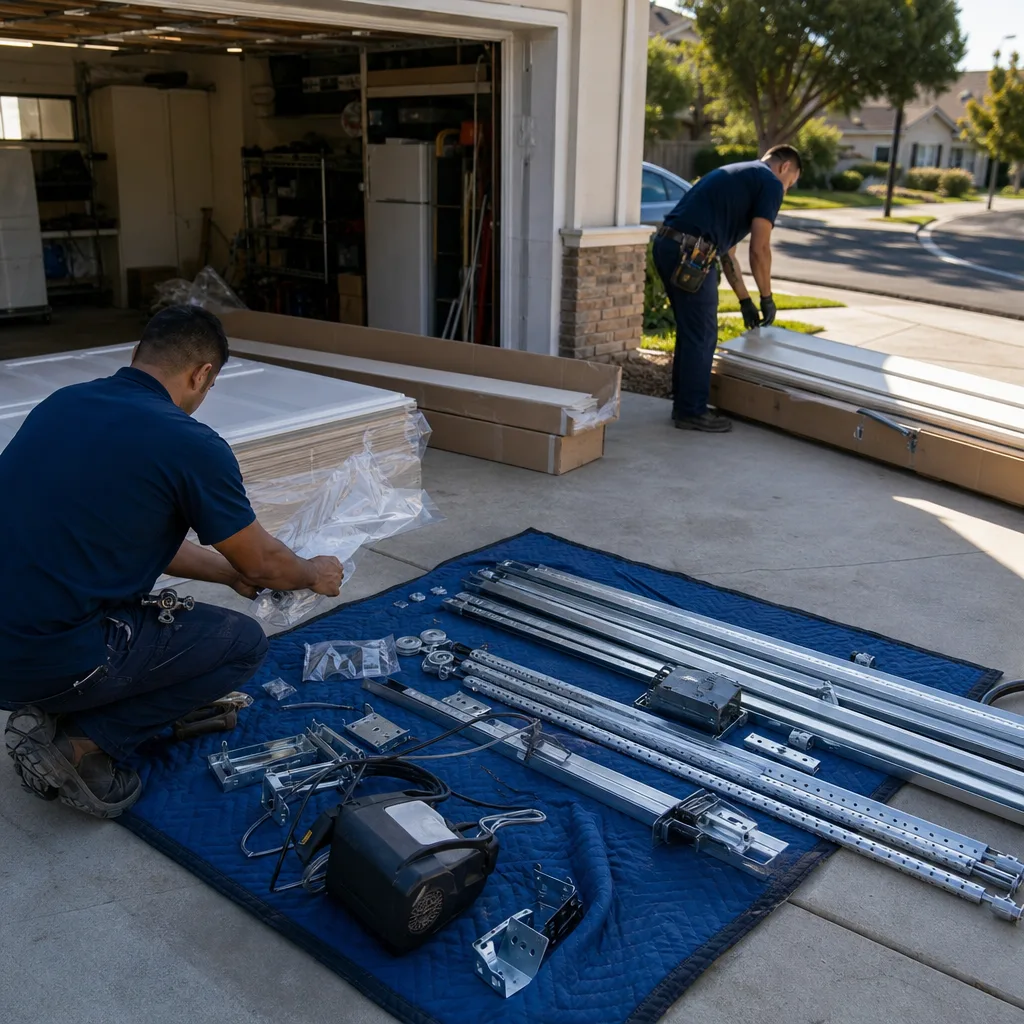
Call a licensed garage door contractor when the work involves any structural attachment, when you’re unsure whether your project crosses the permit threshold, or when the door is connected to a fire-rated assembly. See How to Hire a Garage Door Contractor in Hayward: A Step-by-Step Guide for vetting tips. The cost of professional evaluation is modest against the cost of a failed inspection, denied insurance claim, or sale delay. Servo Garage Doors Hayward offers free estimates in Hayward - call (510) 330-2488. We’ll photograph your existing setup, assess whether a permit is required, and provide a written scope with flat price before any work begins, per Clause 1 of The Haven Standard. If you’ve received another contractor’s estimate, our Free Second Opinion offer applies - bring the paperwork, no coupon needed.
Frequently Asked Questions
Not if you’re installing a new door in the same opening with the same structural attachment points. A permit is required if you’re widening or narrowing the opening, modifying the header or framing, or altering a fire-rated wall assembly. Call (510) 330-2488 and we’ll assess your specific situation during a free estimate.
A simple mechanical permit for opener replacement typically costs $150-$250. A combination permit for structural work runs $300-$500 including plan review fees. These are city fees paid directly to Hayward, not contractor charges. We itemize permit costs separately in our written scope when they’re required.
It depends on whether the unpermitted work contributed to the loss. Insurers increasingly deny or reduce claims when unpermitted structural modifications are involved. The safest approach is to permit any work that touches framing, headers, or fire-rated assemblies. If you’re unsure about past work, we can evaluate it during a service call and document our findings.
Simple over-the-counter permits are often issued same-day. Permits requiring plan review take 2-4 weeks currently. We coordinate our installation schedule with confirmed inspection dates so you’re not left with an unsecured opening. The actual inspection itself takes 30-60 minutes.
New opener installations on existing mounting generally don’t require a separate building permit, but the installation must comply with UL 325 and CBC requirements for photoelectric sensors, force settings, and control height. Hayward inspectors verify this during final inspection for any permitted door replacement. We test and document compliance on every installation, permit or not.
You’re required to disclose known unpermitted modifications on California’s Transfer Disclosure Statement. Buyers may demand retroactive permitting, price reductions, or escrow holdbacks. In Alameda County’s competitive market, clean permit history is increasingly a differentiator. If you’ve had work done without permits, we can assess whether retroactive permitting is feasible and what it would involve.
The Bottom Line
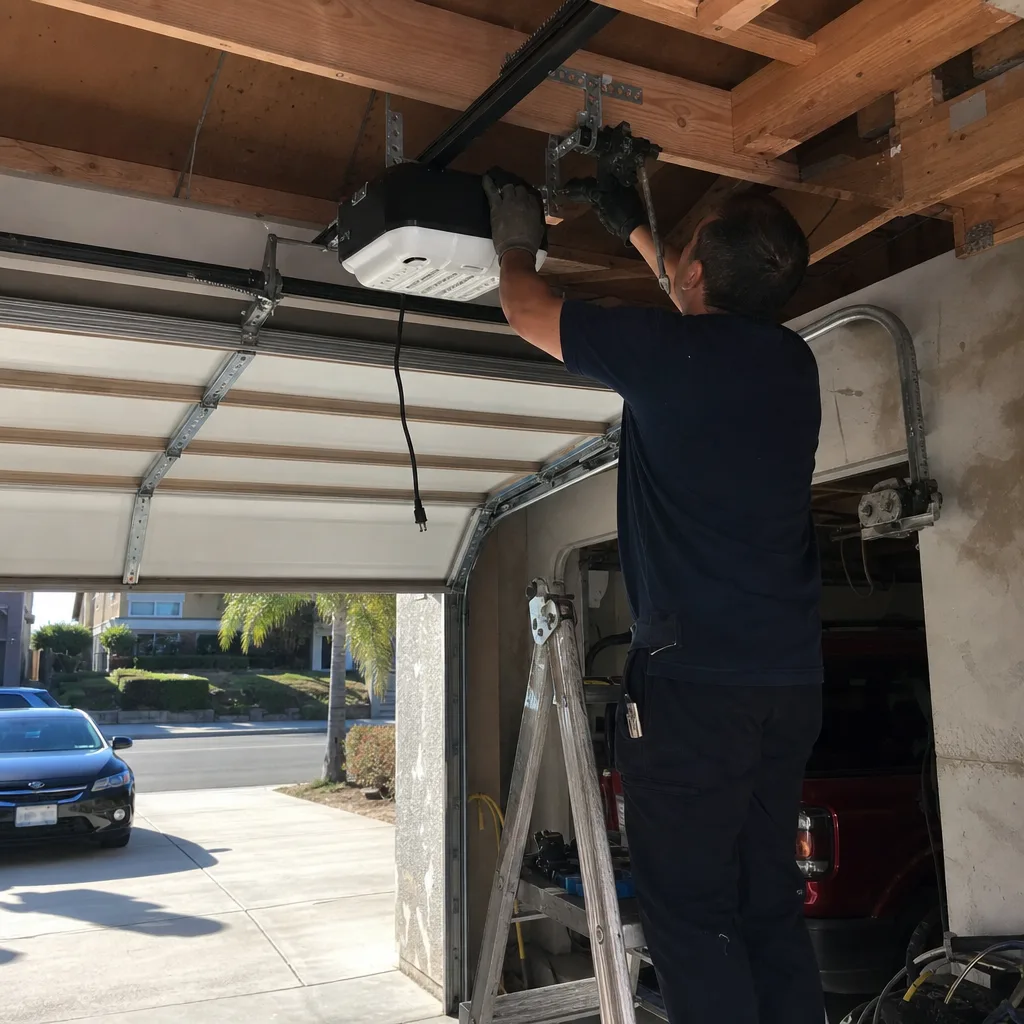
California’s garage door permit rules are narrower than most homeowners fear and more consequential than most assume. Same-opening, same-attachment replacement needs no permit. Structural modification, fire-rating alteration, or new construction does. Hayward’s local amendments add fire-rating enforcement and opener safety requirements that exceed the state baseline. The documentation you keep - permits, inspection approvals, contractor scopes - protects your insurance coverage and your sale price. The documentation you don’t keep becomes leverage for the other party in any future dispute. At Servo, every job starts with a written scope and flat price per Clause 1, and ends with a photo record per Clause 4, because the paper trail matters more than the handshake.
Written by Marcus Deller, Owner at Servo Garage Doors Hayward, serving Hayward since 2015.