
Full 25-point door and opener safety check with every visit - springs, cables, rollers, tracks, and your LiftMaster or Chamberlain opener included
You get a price before we start. It does not change when the truck arrives.
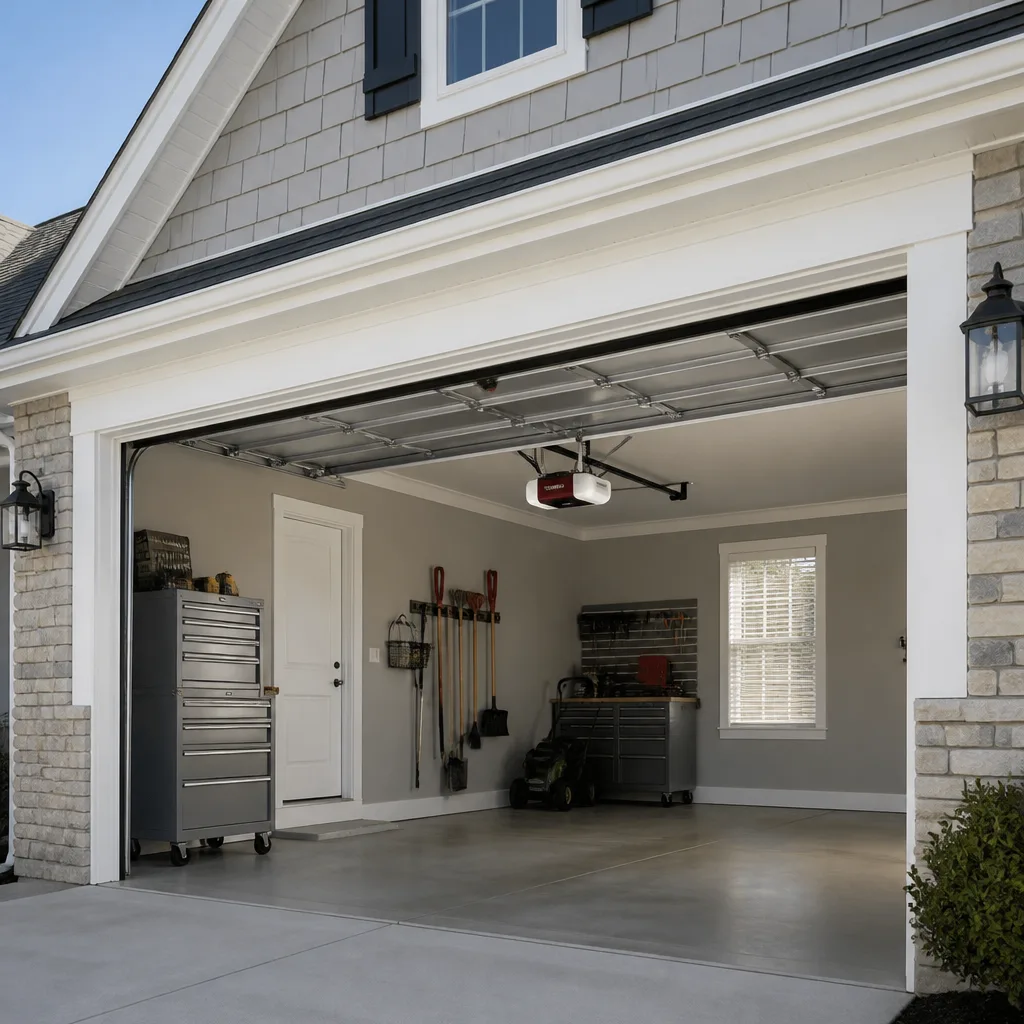
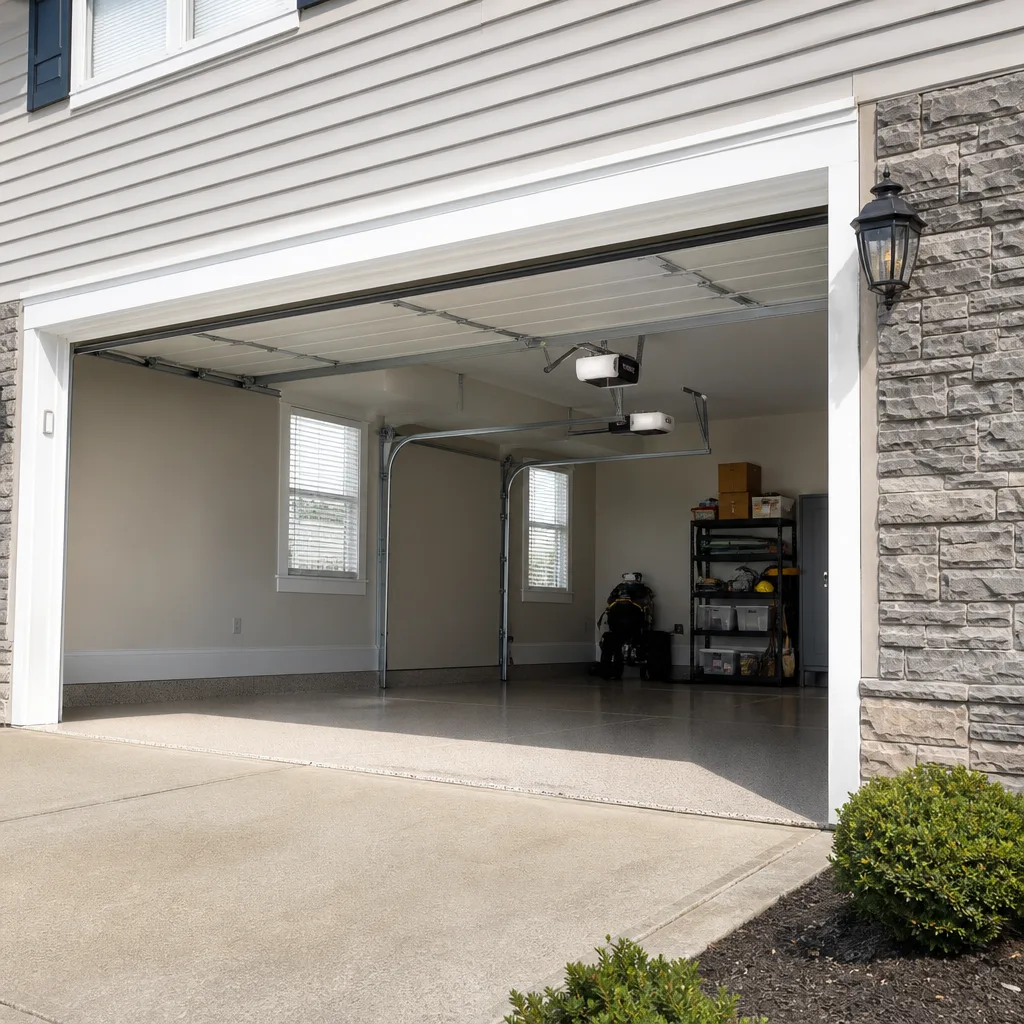
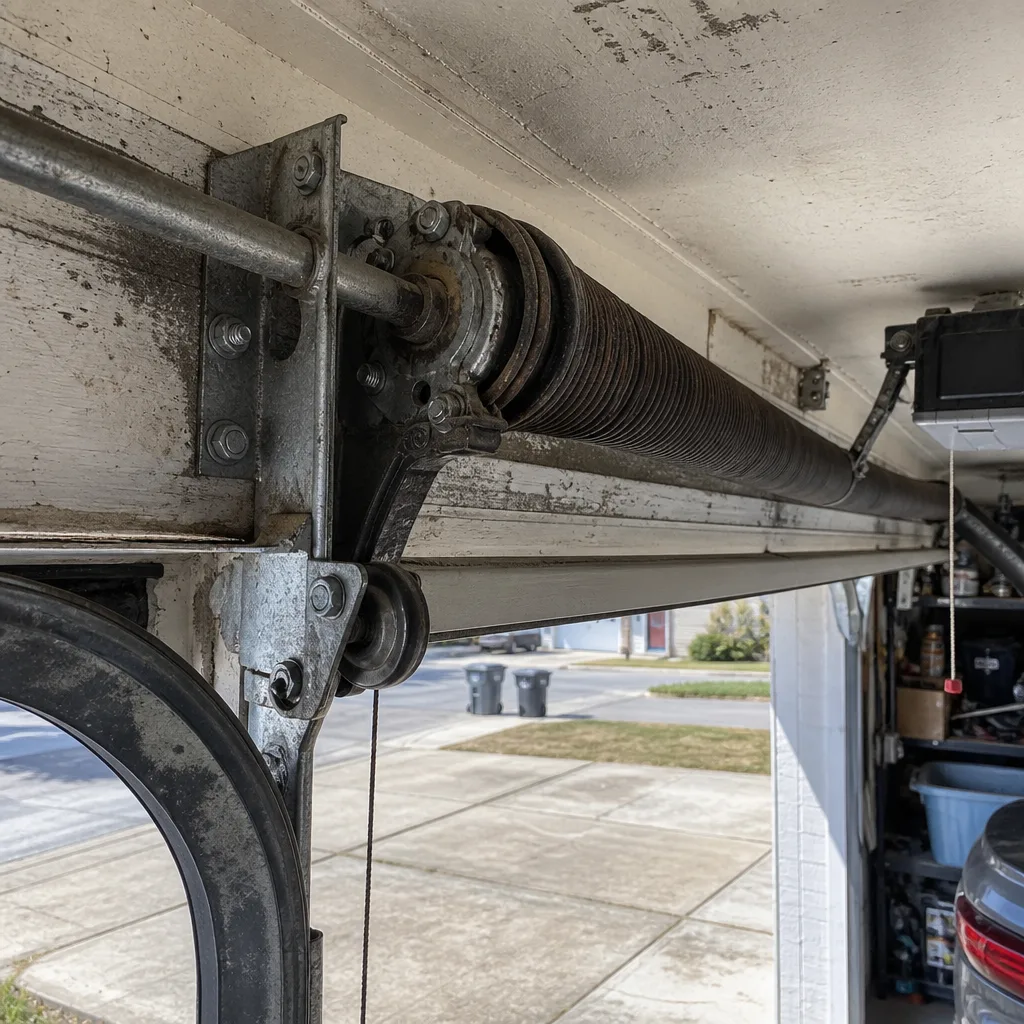 Before
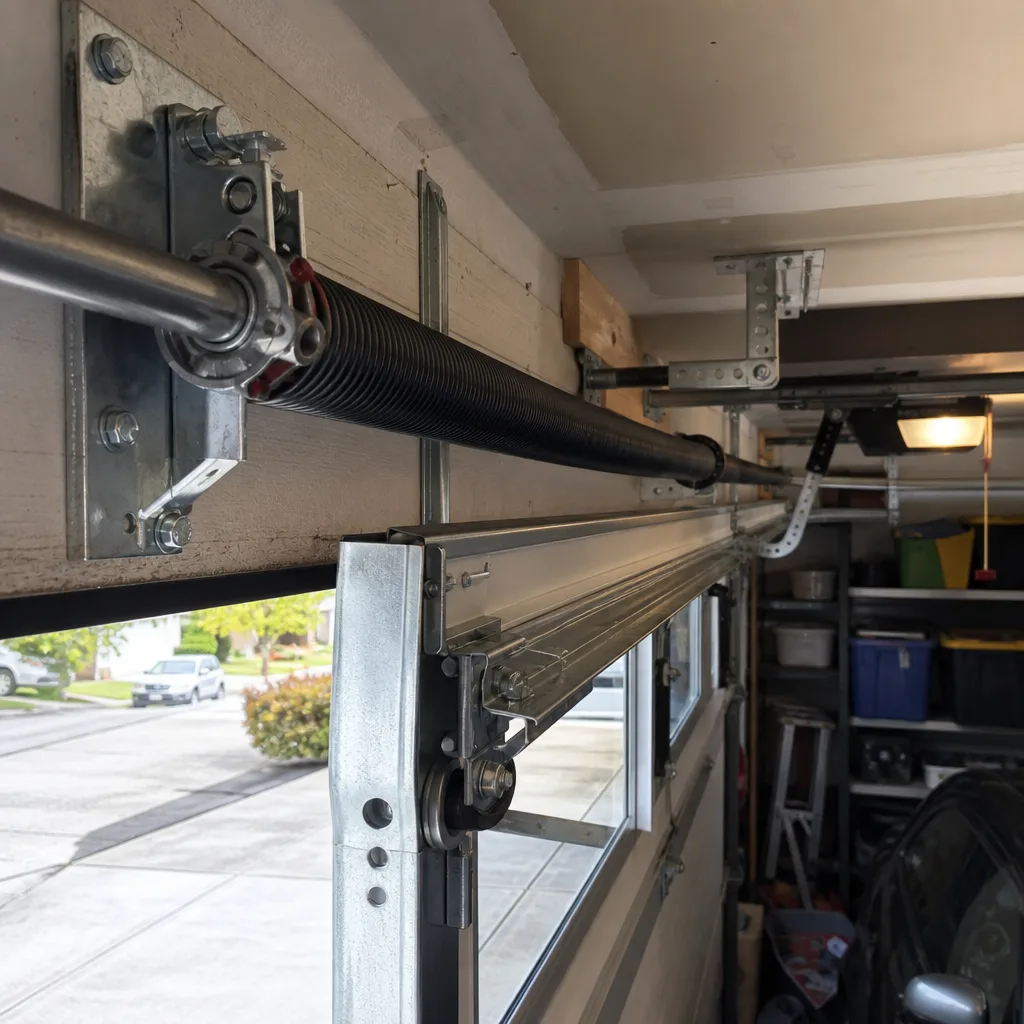 After
After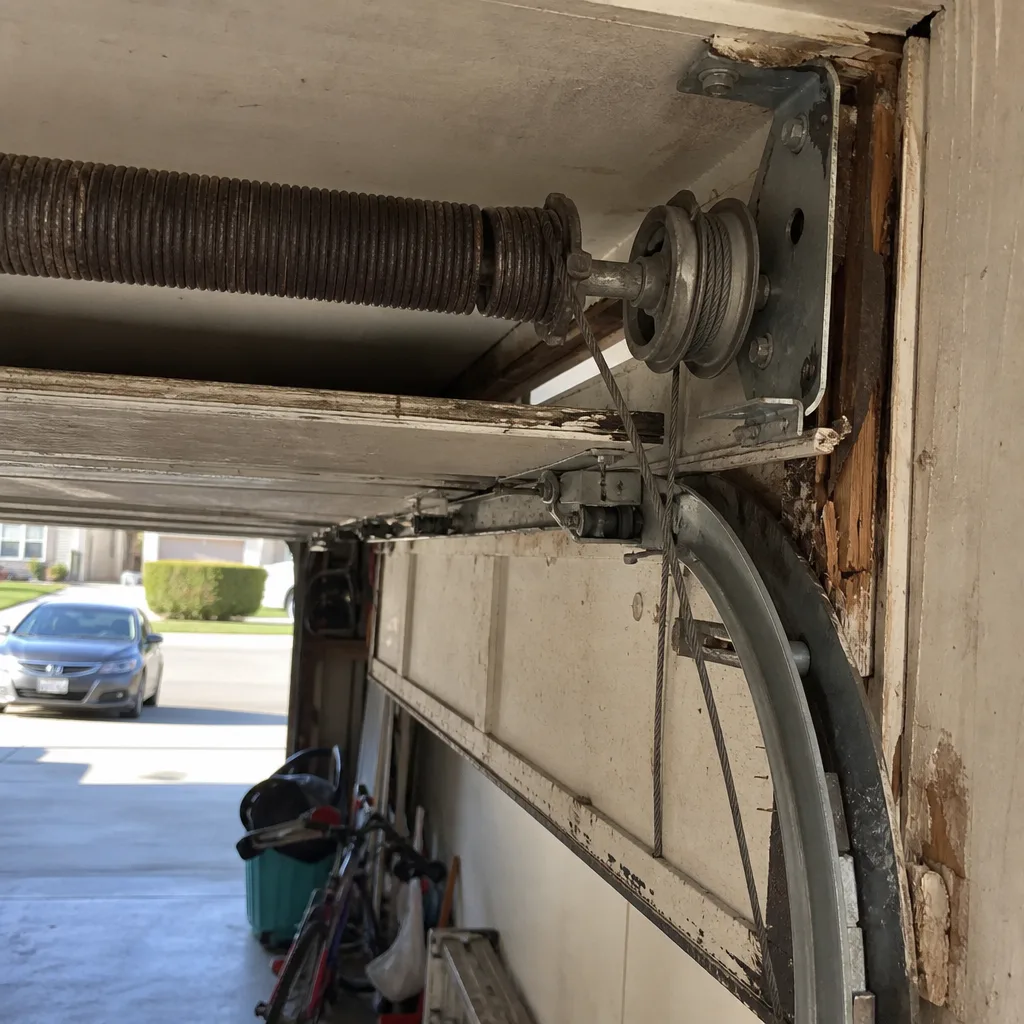 Before
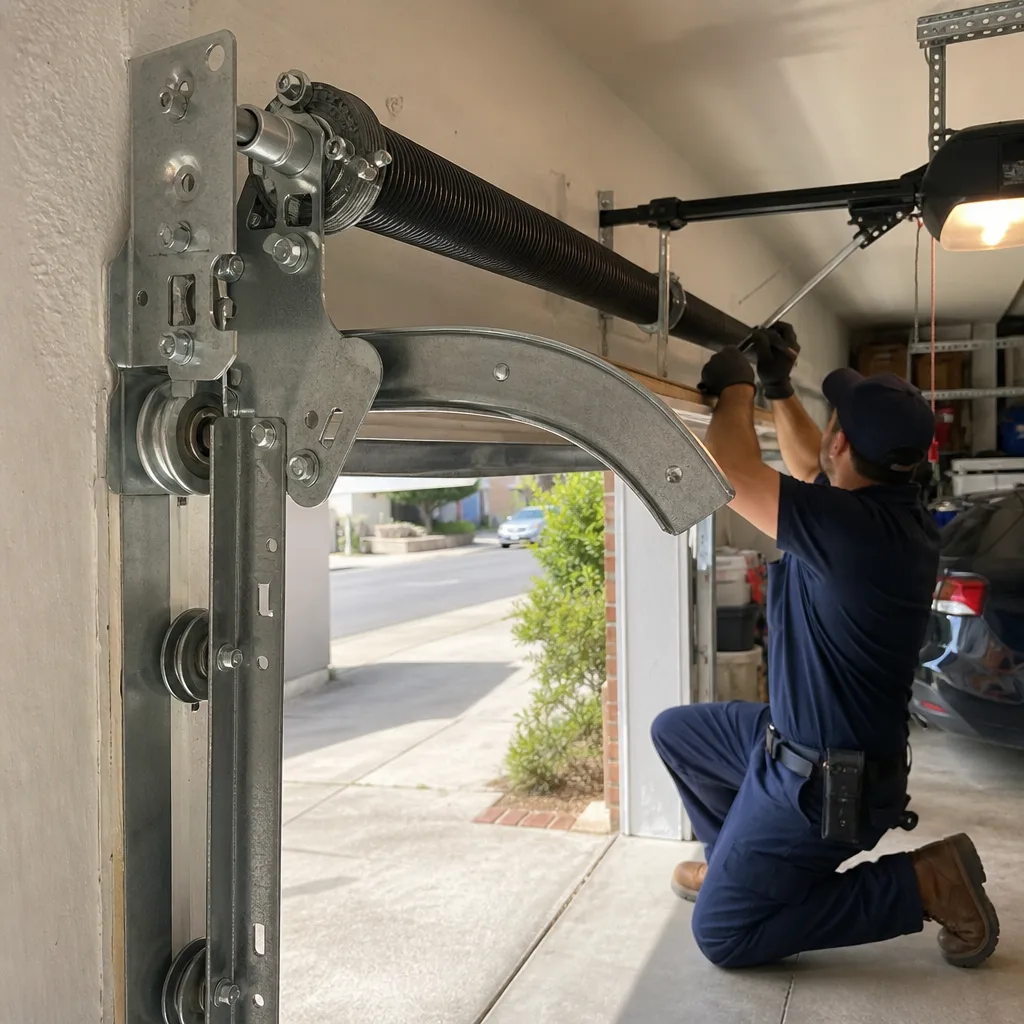 After
After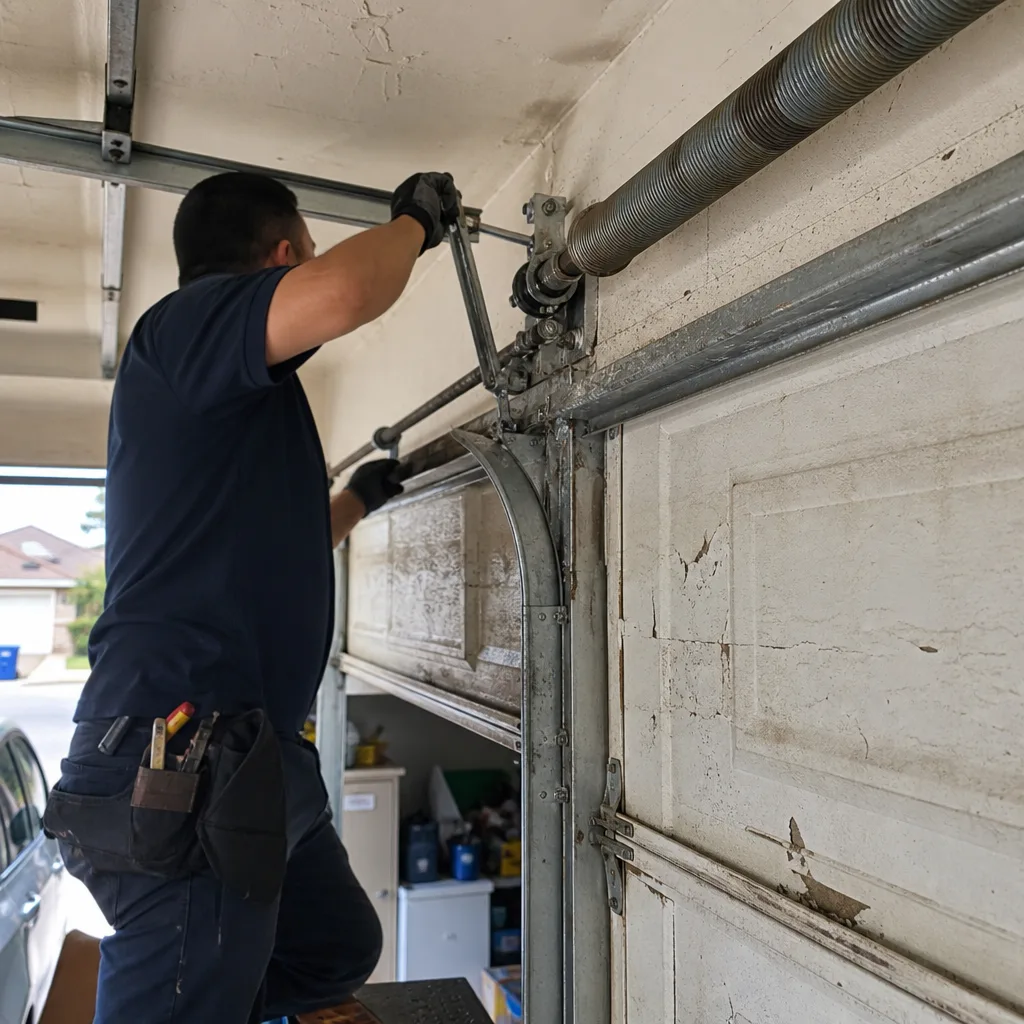 Before
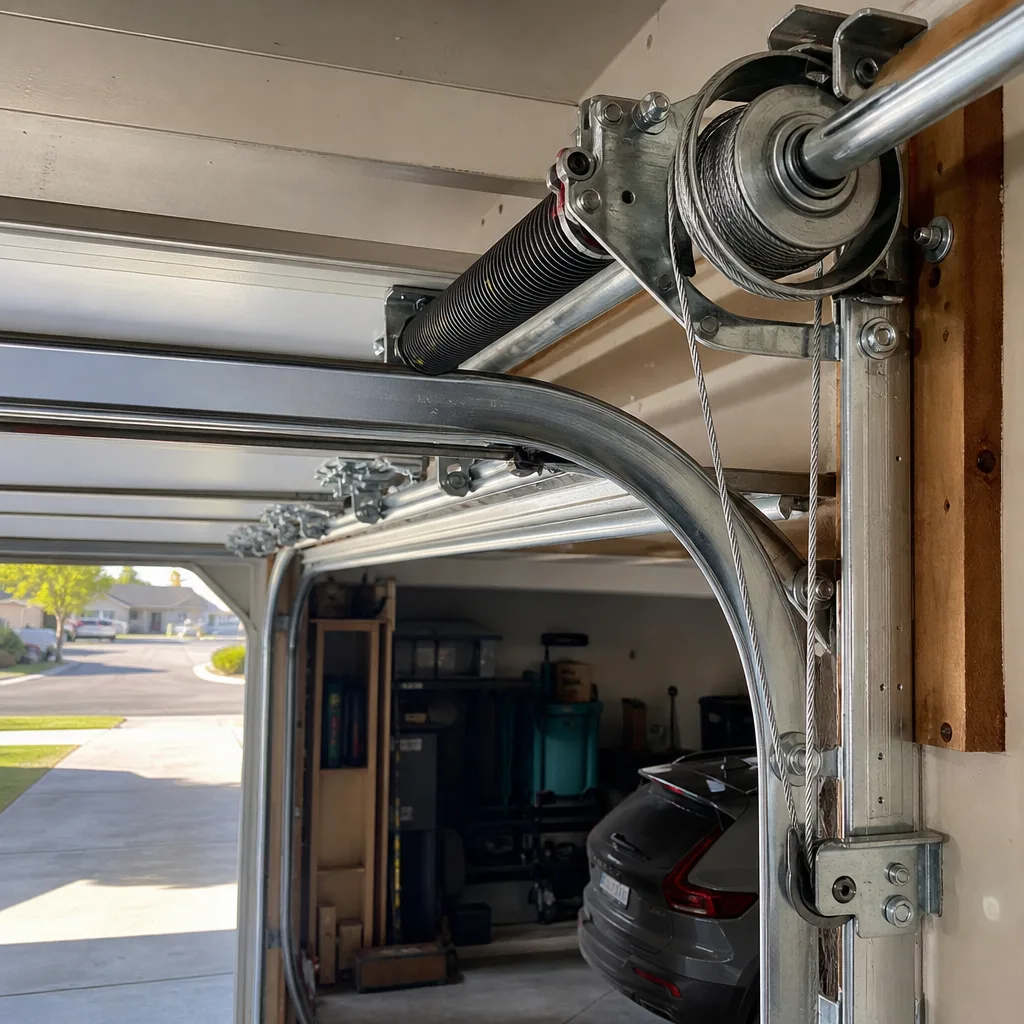 After
AfterChamberlain Roller Replacement: The Hayward Owner’s Guide
Chamberlain roller replacement in Hayward typically runs $110-$220 installed, and we stock the common sizes on every truck for same-day completion. Most Chamberlain sectional doors use 2-inch or 3-inch diameter rollers with a 7/16-inch stem, though the Whisper Drive and Belt Drive series sometimes ship with proprietary nylon-sealed variants that require cross-referencing the model sticker inside the door section. You’ll know the rollers are failing when the door starts rattling in the track, binds at the horizontal curve, or requires noticeably more force from the opener motor.
We see this most often in Hayward’s older developments near the Tennyson corridor, where doors installed during the 2015-2019 building wave are hitting their first roller cycle limit. The salt air coming off San Francisco Bay doesn’t help; corrosion sets into the roller bearings earlier here than inland.
Which Chamberlain Models This Applies To
Chamberlain uses three main roller configurations across their residential line, and matching the right one matters because the wrong stem diameter will wallow out the track bracket hole.
Standard chain-drive and belt-drive openers (WD220, WD832KEV, B970, B1381): These typically ship with 2-inch nylon rollers with 7/16-inch stems and 6200-series sealed bearings. The stem length is standard 4 inches. We carry OEM-equivalent sealed rollers from Dura-Lift and National on the truck; the Dura-Lift equivalent runs quieter than the factory part and lasts longer in coastal moisture.
Whisper Drive and corner-mount jackshaft systems (RJO20, RJO70): These sometimes use 3-inch rollers with a proprietary shoulder geometry. The model sticker inside the top door section, just left of center, lists the factory roller spec. If that sticker’s sun-faded, we measure stem diameter and roller body width on-site before quoting.
Legacy and contractor-grade doors (pre-2015): Older Chamberlain-labeled doors may use 1 3/4-inch rollers with unsealed ball bearings. These are obsolete from Chamberlain but available through aftermarket channels. We don’t recommend reusing the original unsealed design; the upgrade to sealed bearings pays for itself in Hayward’s climate.
We’re an independent service provider, not affiliated with Chamberlain. We source parts through authorized distributors and quality aftermarket channels, and we document the exact part number on your written scope before any work starts.
Signs Your Chamberlain Roller Replacement Is Failing
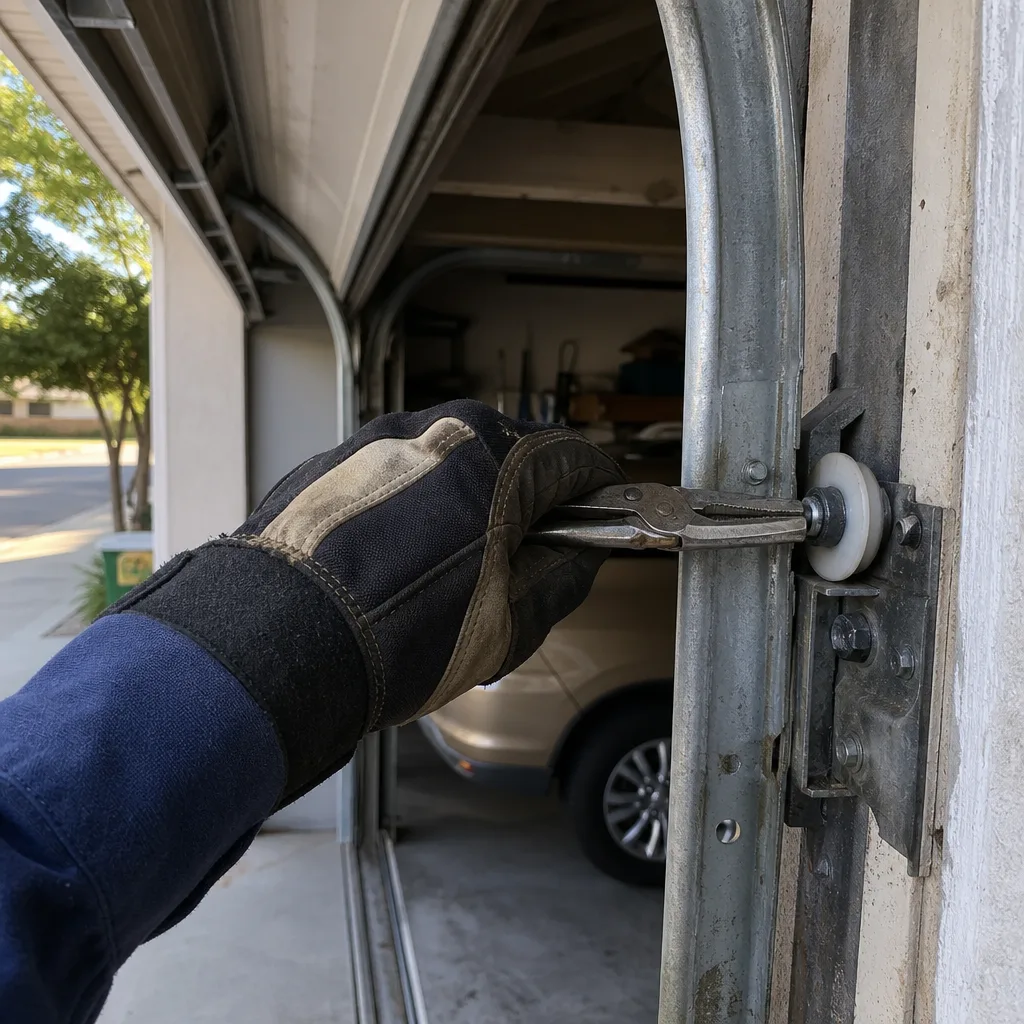
- Rattling or grinding noise during open/close cycles. The sealed bearing inside the roller has dried out or corroded. In Hayward, we see this accelerated by marine air infiltration into garages that face west toward the bay. The noise is the metal race grinding against itself; it won’t fix itself.
- Door binds or stalls at the horizontal track curve. The roller body has worn eccentric, or the stem is bending from fatigue. Chamberlain doors with heavier 2-inch insulated sections place more load on the top two rollers, so these fail first.
- Visible wobble or tilt in the door section as it moves. The roller stem is loose in the track bracket, or the roller itself has developed flat spots from skidding. This puts lateral load on the track and can bend the vertical-to-horizontal transition.
- Opener motor strains or reverses unexpectedly. The added friction from failing rollers trips the force safety limit. Homeowners sometimes misdiagnose this as an opener problem; we’ve saved more than one B970 from unnecessary replacement by finding seized rollers instead.
- Rust streaks running down the door section from the roller bracket. The bearing seal has failed and moisture is evacuating through the roller body, carrying rust with it. By the time you see the stain, the bearing is already compromised.
 Before
 After
AfterReplacement Cost & What’s Included
| Service | Price Range |
|---|---|
| Single roller replacement (seized/broken) | $110-$160 |
| Full set replacement (10 rollers, standard 16×7 door) | $180-$220 |
| Track bracket repair (if wallowed out) | $40-$80 additional |
The $110-$220 range covers parts, labor, and the documented photo record. What moves the needle: how many rollers are actually failed (we don’t replace good ones), whether the track brackets need reaming or replacement from prior wrong-size rollers, and if the door needs rebalancing after the friction load changes. We quote the full scope in writing before touching anything, per Clause 1 of The Haven Standard. The rollers carry a 365-Day Done Right Promise; if they don’t spin right, we come back and make it right.
Every job closes with a photo record showing the old rollers, the new part numbers installed, and the door running through a complete cycle. That’s Clause 4. The customer sees what failed before anyone quotes, and sees what got fixed before we leave.
DIY or Call Us?
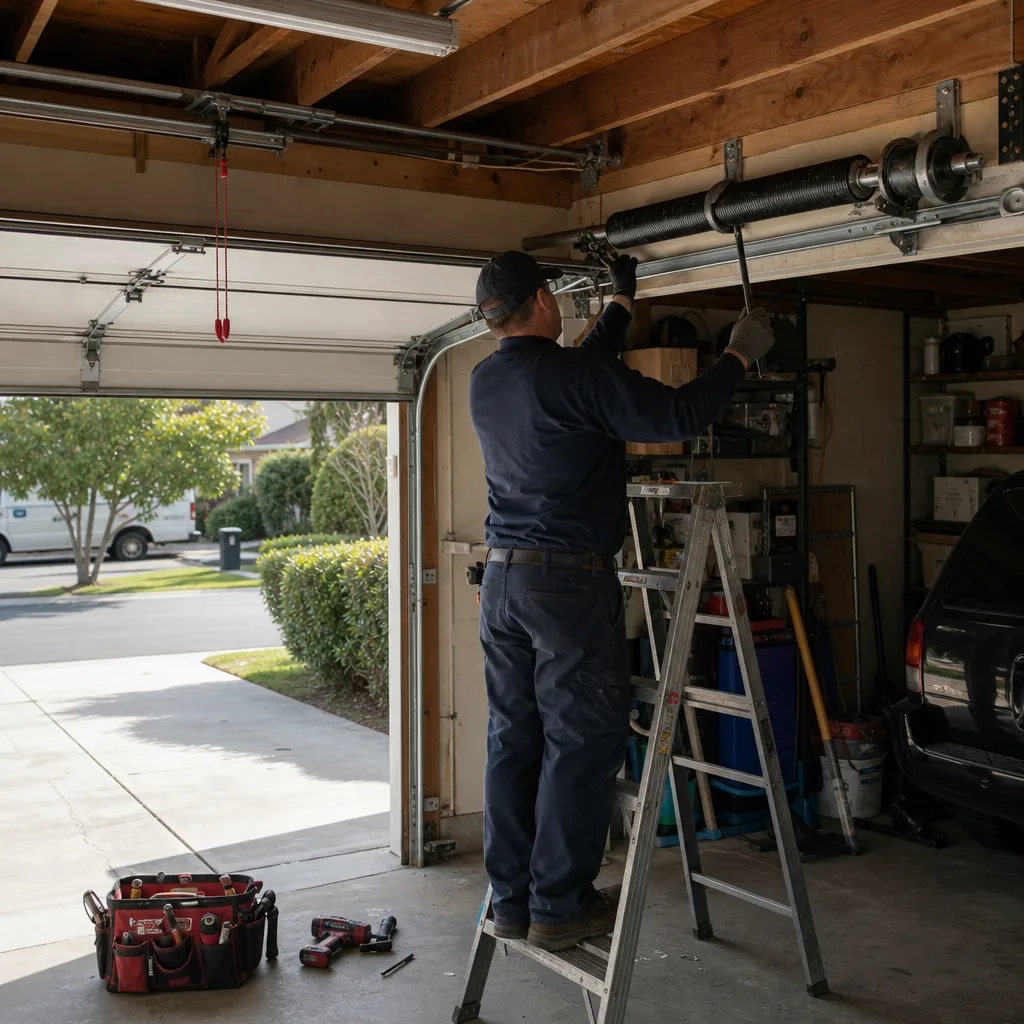
There’s a safe middle ground here, and then there’s the point where a homeowner risks the door dropping or a spring unloading.
What you can safely check: With the door closed and the opener disconnected (pull the red release handle), lift the door manually to the halfway point. It should stay put and move smoothly. If it drops or binds, the rollers or spring balance are suspect. You can also visually inspect the rollers from inside the garage with the door down; look for rust, flat spots, or a roller that sits crooked in the track.
Where DIY goes wrong: Replacing a roller requires the door to be in the open position with tension partially on the spring system. The bottom roller, in particular, sits under the most load and can bind in the bottom bracket. A door that slips from its prop or a spring that releases unexpectedly can cause serious injury. We don’t recommend roller replacement as a homeowner project unless you’ve worked on torsion systems before.
Name the part. Quote the range. Then fix it. That’s how Marcus Deller built this crew, and it’s how we still operate on every call in Hayward.
If you’re hearing the grind or seeing the wobble, call (510) 330-2488. We’ll confirm the model, quote the range, and get it handled.
FAQs
Sealed nylon rollers typically last 8-12 years or roughly 10,000 cycles in Hayward’s climate. The marine layer and occasional salt air reduce that by 20-30% for garages facing the bay or without weatherstripping. Unsealed steel rollers from older installations often fail at 5-7 years here. Call (510) 330-2488 and we can check your installation date against the cycle count.
No. Once the bearing seal fails or the roller body wears, the part is consumable. We’ve seen owners try lubrication as a temporary fix, but it attracts grit and accelerates track wear. Replacement is the only sound repair. We stock the common Chamberlain-compatible sizes and can complete the swap in one visit.
A single roller takes 30-45 minutes including diagnosis, documentation, and cycle testing. A full set on a standard 16×7 door runs 60-90 minutes. We don’t rush; we photograph the failed components, verify track alignment after the swap, and test the opener force settings before signing off. The photo record hits your inbox before we pull out of the driveway.
Yes. We stock 2-inch and 3-inch sealed nylon rollers with 7/16-inch stems, plus the Dura-Lift and National equivalents that cross to most Chamberlain residential models. For the RJO series proprietary rollers or obsolete sizes, we source same-day from our Hayward distributor. We don’t charge a return trip when a special order is needed; the price we quote covers completion.
Written by Marcus Deller, Owner, Servo Garage Doors Hayward at Servo Garage Doors Hayward, serving Hayward and nearby areas.